Ray Rogers, Novelist

  • It’s Always Impossible Until It’s Done

    March 24th, 2025
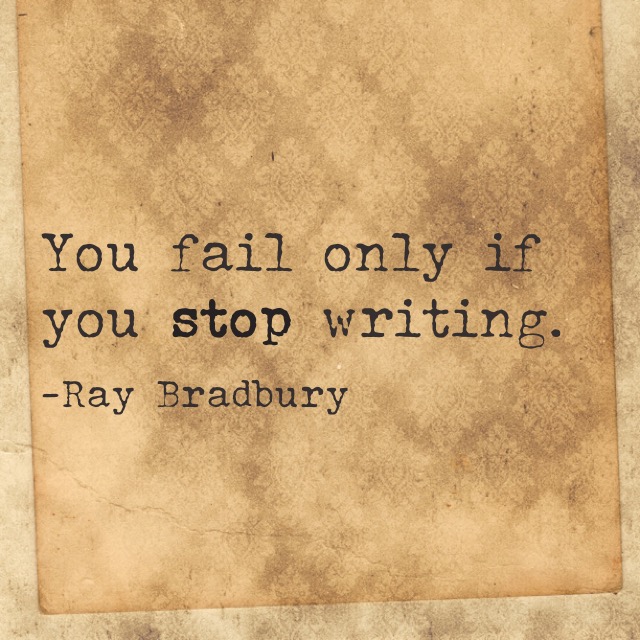
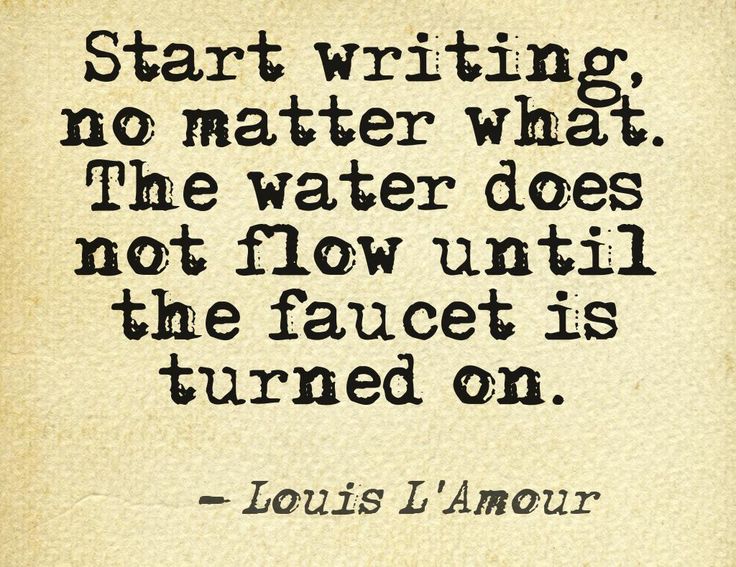
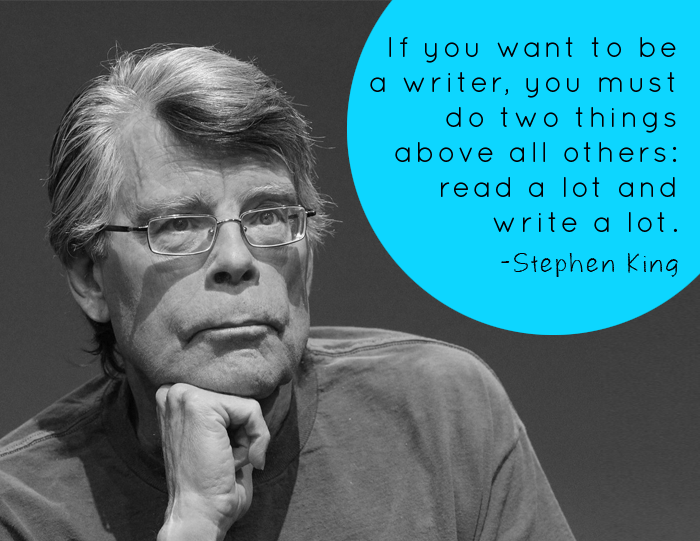
  • Read a lot, write a lot.

    March 6th, 2025
  • Fantasy to Reality: Science fiction to science fact…again and again

    March 4th, 2025
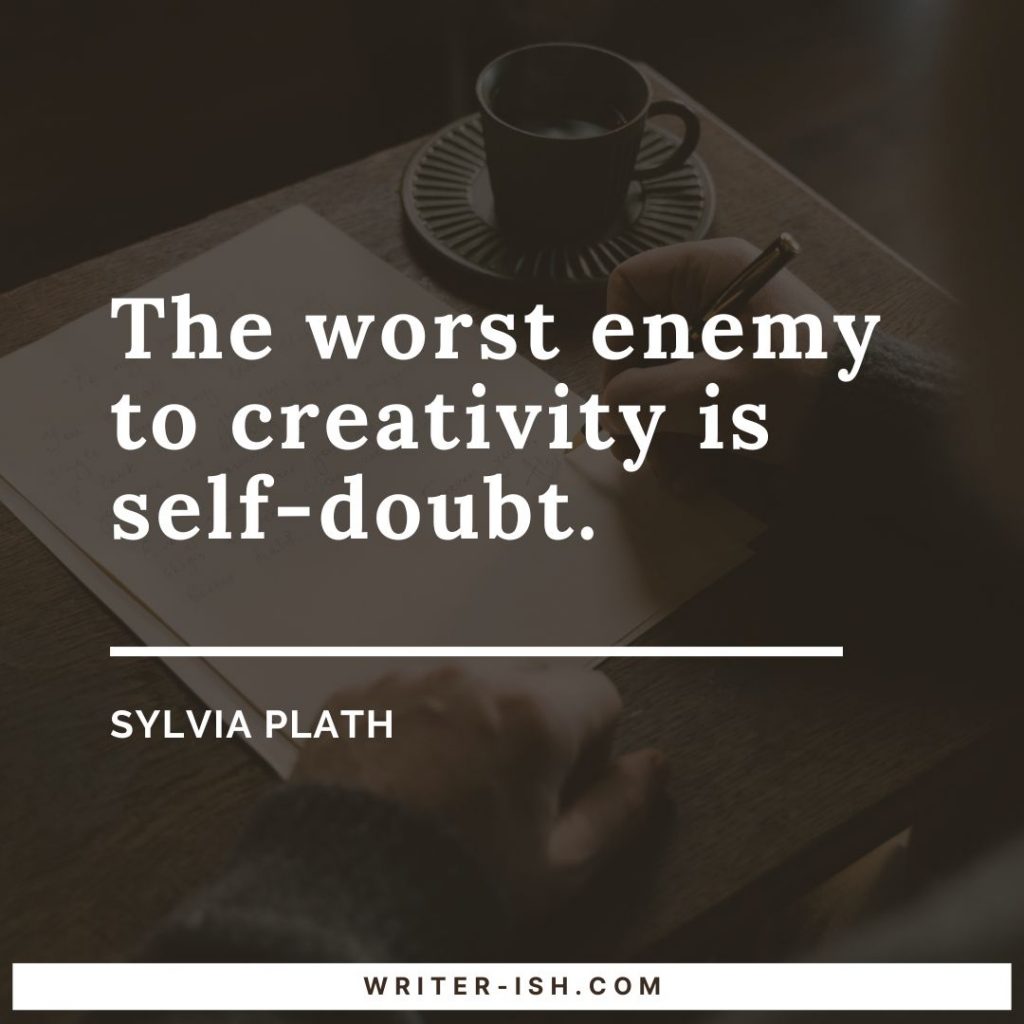
  • The enemy is self-doubt

    March 3rd, 2025
  • Thoughts on Indie Authors

    February 27th, 2025

    Today I’d like to write about Indie Authors and their place in modernity. I am an Indie author, myself, so this is a subject I am passionate about. I want to touch on topics associated with self-publishing and traditional publishing, laying out the pros and cons of both, dispel myths and misconceptions about indie authors, and hopefully open a few minds of those who think only traditionally published authors are legitimate. As an indie author, I must admit a bit of bias, but as I always do, I shall write as objectively as I can.

    So, you’ve written your masterpiece and are exploring which is right for you: traditional or self-publishing. If you’re not interested in participating in the business side of things; if you just want to create and leave the business end of it to others, then traditional publishing may be the way you want to go. Pros: You write, others take care of the business. Well, sort of. Don’t fool yourself into thinking you won’t have to do anything to promote your book. The publisher will expect you to be involved to a certain degree, especially on the promotional side. They will in fact ask you what you plan to do to help promote your book. Some other benefits to traditional publishing are: the prestige factor, industry connections, monetary advances, mass market production, and easier access to brick and mortar stores to sell your book.

    Cons: You do not have complete control of your novel or whatever it is you are writing. Since the house is putting up the money, they will want a say in the creation of the book. It’s an investment, and if the book doesn’t sell well enough, they may not get the return they want on their investment. To you, it’s about the art; to them, it’s about making money. Just like any other business. Other cons: Just because the book is traditionally published, it doesn’t guarantee success. But, you will be able to put a proverbial feather in your cap so you can brag that your book was published traditionally through a name house. Another con in my view is you don’t own the copyright, although you can contract so that it reverts after you after “one time publishing rights” expire. If you’re okay with that, that’s up to you. Just be careful what rights you sell away. Example: Maybe one day you want to sell TV rights, or movie rights, or character merchandizing. Be careful how you go about it. You might make more selling off rights individually than with a package deal.

    Self Publishing. Pros: you have total artistic control; you own the copyright from day one. If you decide to sell the rights, some or all, be careful. Someone wanting to buy the rights to your work does NOT have your best interests in mind. Other pros: If you’re business savvy or enjoy the business side of things, you are the best qualified person to decide what happens with your intellectual property. Cons: if you’re not business savvy or do not like the idea of running things, it could prove problematic unless you know people who can help. In my own career, I do have decent business sense and also know people who can help if I need it.

    Stigma, Misconceptions, and Myths: People in the traditional publishing community generally think they are a cut above indie authors. They, somehow, are supposed to be better writers than self-published ones. There is a certain level of snobbery. Their view is that the indie author isn’t good enough…that their talent level falls short. While I do think there is a certain prestige that goes along with being published through a traditional publishing house, I do not agree with the belief that they are somehow better writers. I have read many traditionally published novels that ended up in my DNF (do not finish) pile. On the other hand I have read many self-published novels that I read multiple times, and have a prominent place on my bookshelf. Some were best sellers.

    That’s all I have to say today. Feel free to like or comment. I am always interested in the thoughts and opinions of others. Thank you for reading! Until next time…

    Ray

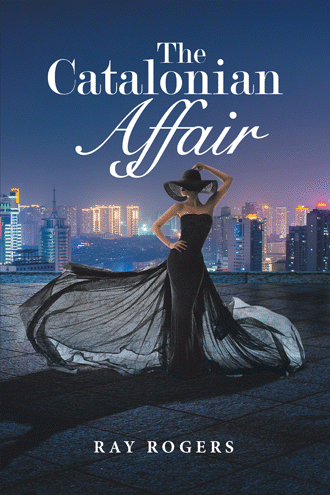
  • My books. Available at Amazon and other online retailers. Book Three coming soon.

    February 15th, 2025
  • February 12th, 2025
  • February 10th, 2025
  • Choosing POV Character

    February 9th, 2025

    Note: As I like to say, I am not a trained writing teacher; I am a fellow writer sharing my thoughts and experiences as a writer with fellow writers. The following mini-blog is about choosing your POV character.

    So, you’ve created interesting characters and you have a story to tell. Great! Have you chosen a point of view character yet? If so, did you choose the right one? I learned this lesson the hard way when I realized a third of the way through a story that I chose the wrong character. The character I picked made a good, solid supporting character, but was not the right choice for point of view. This can happen when you have an ensemble cast of characters and any one of them could be the main or POV character. When you have five or six strong, solid, well developed characters, it is easy to pick the wrong POV character. I know; I did it, myself.

    I have since learned to think more about the story I want to tell and putting more thought into determining which character should be the main and / or POV character. You can have multiple POV characters as long as you don’t do too much head-hopping, because chances are the audience will not like it. I try to keep multiple POV to two characters; definitely not more than three. As a rule, the main character is generally a POV character, although the two are not necessarily one and the same. Example: POV character is an outsider observing at a distance, like an investigative reporter, or an associate, or an analyst.

    Know your characters, know your story. Before you type a single word on the page, plot and plan from beginning to end. Think things through. That’s why I always recommend doing an outline. (I will blog about that topic at a later date). A common mistake among newer writers in particular is establishing a POV character early on, then midway through the character’s role is diminished and are seldom heard from again. Another common mistake is a secondary character becoming a POV character several chapters in. The audience will wonder why this character was in the background for several chapters, then comes to the forefront. And believe it or not, I’ve read things where character arcs were not thought out well enough and there were holes leaving me wondering what happened to such and such a character. Mistakes like these mark a writer as amateurish, and you may lose your credibility with the audience. They may not read another single thing you ever write.

    Some other helpful hints are the following:

    Which character is the focal point? Which character has the most to gain or lose? Which character has the highest stakes? Which character changes the most over the course of the story; that is, whose character arc is the most profound? Chances are that is the character you want not only as your MC but for POV as well.

    That’s all I have to say today. I hope you found this informative and helpful. As always, thank you for taking the time to read my mini-blogs. Likes and comments are always appreciated and welcomed. Please consider subscribing to my page. As a general rule, I usually follow back. Until next time…

    Ray
  • February 7th, 2025
←Previous Page
1 2 3 4 … 6
Next Page→

Website Built with WordPress.com.


Loading Comments...
 

    • Subscribe Subscribed
      • Ray Rogers, Novelist
      • Already have a WordPress.com account? Log in now.
      • Ray Rogers, Novelist
      • Subscribe Subscribed
      • Sign up
      • Log in
      • Report this content
      • View site in Reader
      • Manage subscriptions
      • Collapse this bar